 China
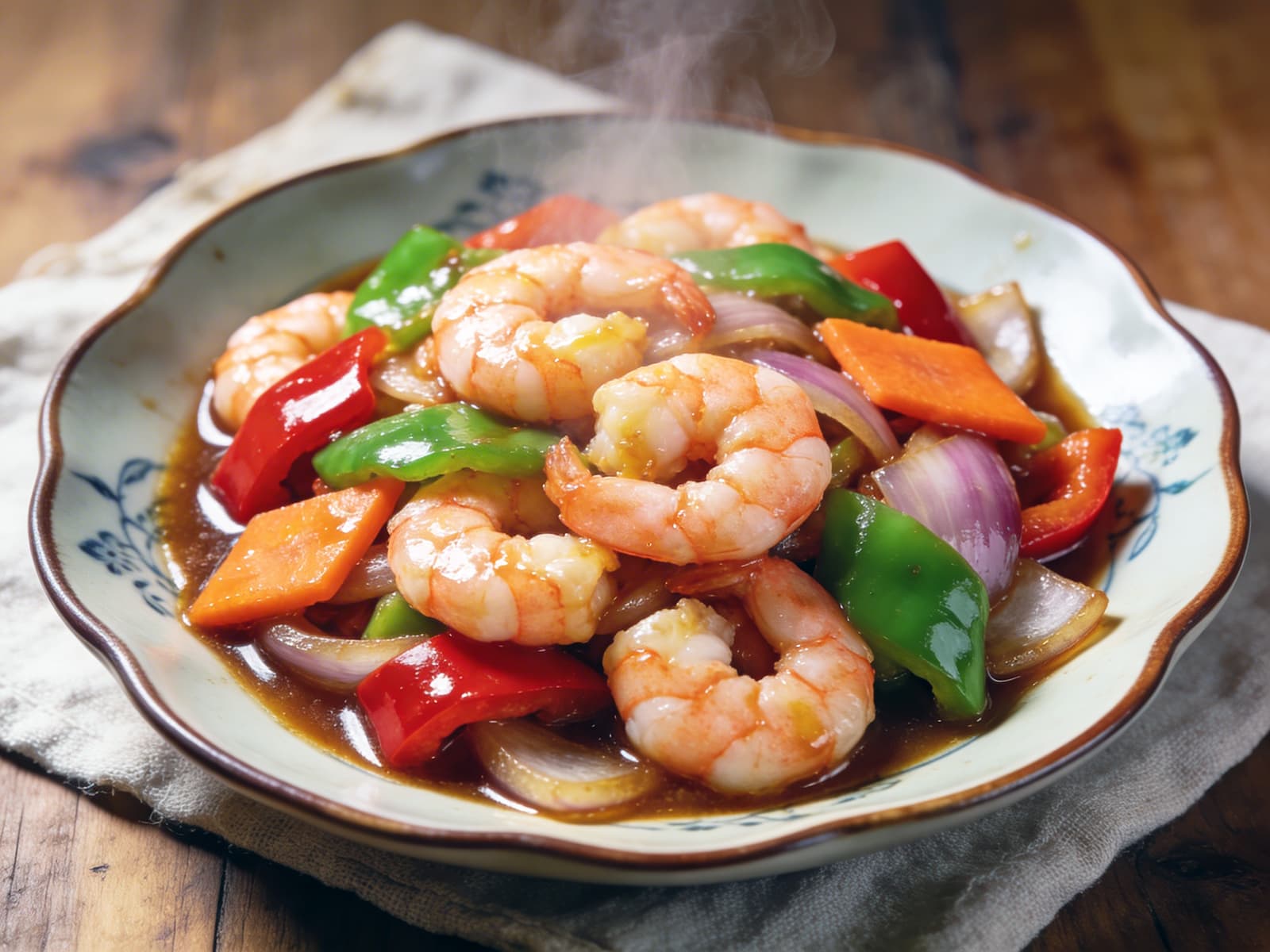
ChinaShrimp Stir-Fry
This shrimp stir-fry recipe is a quick, easy and delicious dinner option that the whole family will love.
What you'll need
Ingredients
- 60 mlSee recipes with reduced-salt soy sauce
reduced-salt soy sauce (or gluten-free tamari)
i - 1 tbspSee recipes with cornstarch
cornstarch
i - 1 tbspSee recipes with fresh garlic
fresh garlic, minced
i - 1 tbspSee recipes with fresh ginger
fresh ginger, chopped
i - 1/4 tspSee recipes with red pepper flakes
red pepper flakes
i - 1 tbspSee recipes with avocado oil
avocado oil (or other vegetable oil)
i - 900 gSee recipes with large shrimps
large shrimps, peeled and cleaned
i - 450 gSee recipes with frozen or fresh vegetables for stir-frying
frozen or fresh vegetables for stir-frying
i - for servingSee recipes with sesame oil and sesame seeds
sesame oil and sesame seeds
i


How to make it
Instructions
- 1
In a small bowl, combine soy sauce, cornstarch, garlic, ginger and red pepper flakes. Whisk well and set aside.
- 2
Heat the avocado oil in a wok or large deep skillet over medium-high heat for about 2 minutes.
- 3
Add the shrimp and vegetables and stir-fry until the vegetables are soft and the shrimp are cooked through, about 5-10 minutes.
- 4
Reduce heat to medium-low. Stir the sauce once more, then add it to the skillet. Cook, stirring, until the sauce thickens, about 1 minute.
- 5
Transfer to individual plates. Drizzle with sesame oil, sprinkle with sesame seeds and serve.
Frequently Asked Questions
Why did shrimp stir-fry turn out rubbery — how to cook shrimp properly over high heat?
Shrimp stir-fry demands maximum heat and minimum time. Use a screaming hot wok or cast iron pan at the highest temperature. Shrimp (21/25 count) cook 1–2 minutes per side — as soon as they curl into a C-shape and turn pink, they are done. Overcooked shrimp (curled into an O-shape) are already rubbery. Remove them from the wok first, then add back only at the very end.
In what order should ingredients be added to shrimp stir-fry — why does the dish turn watery?
A watery stir-fry results from too low a temperature or an overcrowded wok. Cook in batches. Order: heat the wok → oil → aromatics (garlic, ginger, 15–30 sec) → hard vegetables → soft vegetables → shrimp → sauce → cornstarch slurry to thicken. Pat vegetables dry beforehand — moisture is the main enemy of a crispy stir-fry.
What can replace shrimp in stir-fry — what other seafood or meat works?
Seafood: sea scallops, squid rings, or cubed white fish. Meat: chicken breast strips (3–4 min), thin beef slices cut across the grain (2–3 min), or tofu cubes (pan-fry separately first). Cooking times vary — watch for doneness. Lean beef benefits from a soy sauce and cornstarch marinade (velveting) for tenderness.
What sauce to use for shrimp stir-fry — classic Chinese options?
Basic sauce: 2 tbsp soy sauce + 1 tbsp oyster sauce + 1 tsp sesame oil + 1 tsp cornstarch + a pinch of sugar and water. Spicy version: add chili paste or hoisin sauce. Cantonese style: oyster sauce + ginger + green onion. Sichuan style: chili oil + Sichuan peppercorn + soy sauce.
Can frozen shrimp be used for stir-fry — how to avoid excess water in the dish?
Yes, but thaw completely and pat thoroughly dry with paper towels. Extra trick: salt the thawed shrimp for 10 minutes, then rinse and dry — salt draws out excess moisture. Never put frozen or wet shrimp directly into a hot wok — water evaporation will drop the temperature sharply and ruin the texture.
 USA
USA


 Japan
Japan

 Italy
Italy


 Korea
Korea


 Singapore




Join the conversation
Comments
Loading comments…