 Italy
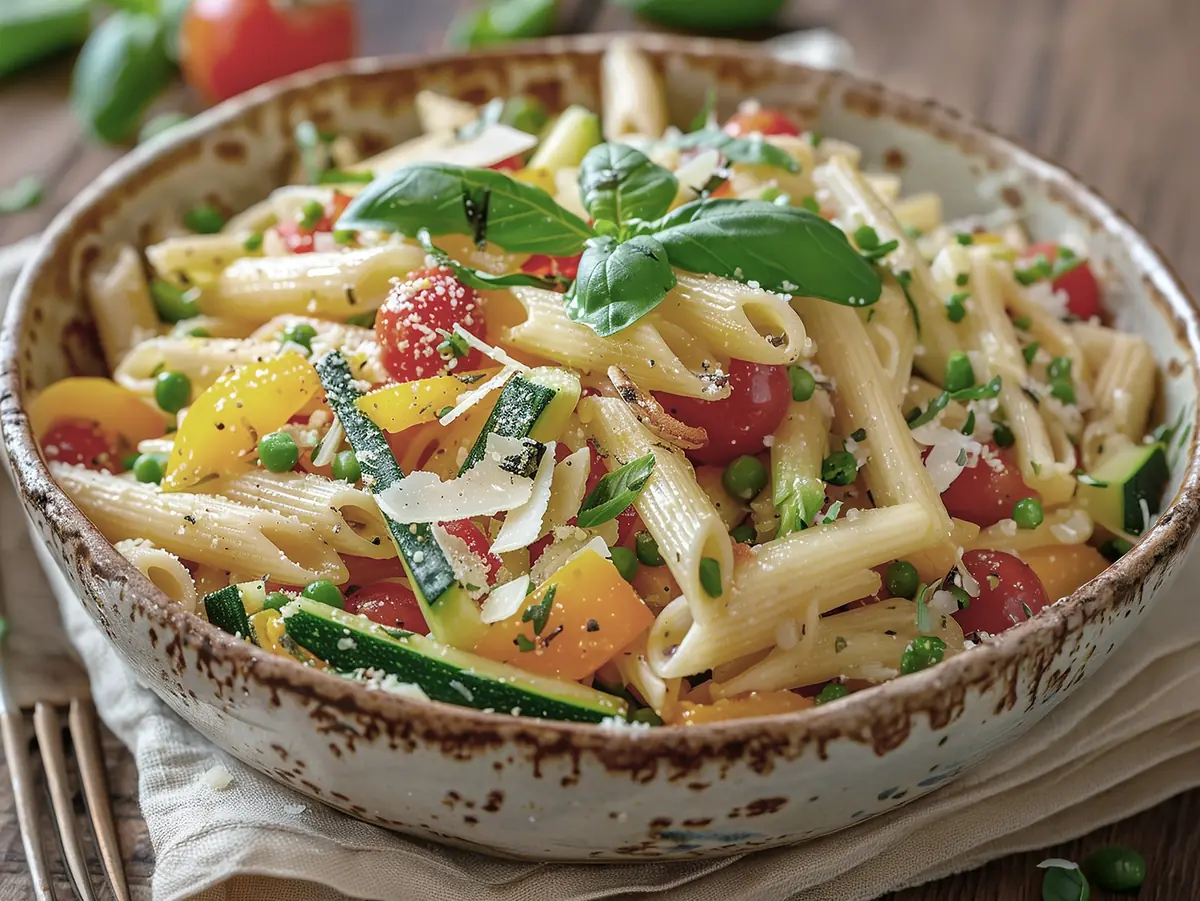
ItalyPasta Primavera
Pasta Primavera is a popular American dish inspired by Italian traditions, created in the 1970s at Le Cirque restaurant in New York City. Light and fresh, perfect for spring and summer.
What you'll need
Ingredients
- 300 gSee recipes with pasta
pasta (penne, farfalle or other short pasta)
i - 2 tbspSee recipes with olive oil
olive oil
i - 3 clovesSee recipes with garlic
garlic, chopped
i - 1See recipes with red onion
red onion, cut into half rings
i - 1 smallSee recipes with zucchini
zucchini, sliced in half rings
i - 1 smallSee recipes with yellow squash
yellow squash, sliced in half rings
i - 1See recipes with red bell pepper
red bell pepper, cut into strips
i - 1See recipes with yellow or orange bell pepper
yellow or orange bell pepper, cut into strips
i - 1 cupSee recipes with frozen green peas
frozen green peas, thawed
i - 200 gSee recipes with asparagus
asparagus, cut into bite-size pieces
i - 200 gSee recipes with cherry tomatoes
cherry tomatoes, cut in half
i - 1/2 cupSee recipes with parmesan
parmesan, grated
i - 1See recipes with lemon
lemon, juice and zest
i - 1 tspSee recipes with dried oregano
dried oregano
i - 1 tspSee recipes with fresh thyme leaves
fresh thyme leaves
i - to tasteSee recipes with salt and black pepper
salt and black pepper
i - for garnishSee recipes with fresh basil
fresh basil
i


How to make it
Instructions
- 1
In a large saucepan, bring salted water to a boil and cook the pasta until al dente. Drain and set aside.
- 2
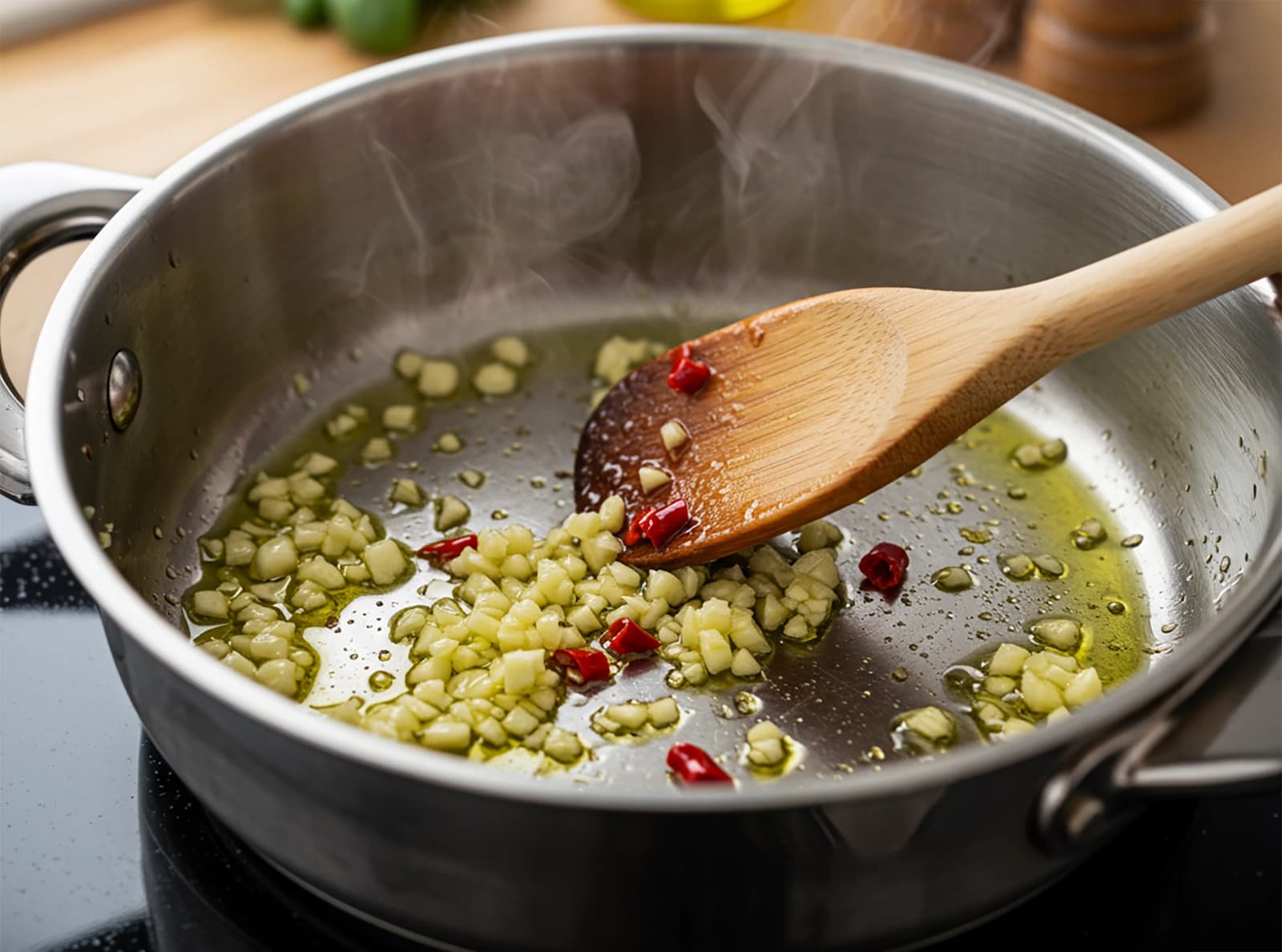
In a large skillet, heat the olive oil over medium heat. Add garlic and red onion and sauté until soft, about 3 minutes.
- 3
Add zucchini, yellow squash, bell peppers and asparagus. Stir-fry for about 5 minutes until vegetables are soft. Add green peas and cherry tomatoes and cook for another 2-3 minutes.
- 4
Add the cooked pasta to the skillet with the vegetables. Pour in the lemon juice and add the lemon zest, dried oregano, fresh thyme, salt and pepper. Mix well.
- 5
Sprinkle with grated parmesan and stir until the cheese melts and coats the pasta. Garnish with fresh basil and serve hot.
Frequently Asked Questions
What vegetables can you use for pasta primavera — is there a strict list?
There's no strict list — primavera means 'spring' in Italian, so use whatever spring or seasonal vegetables you have: broccoli, green beans, spinach, peas, courgette, asparagus, peppers. The key rule: vegetables should stay bright and slightly crisp, not overcooked and mushy.
How to make pasta primavera without cream — is it a light dish?
Yes — classic primavera doesn't use cream at all. The sauce base is olive oil, garlic, lemon juice, and starchy pasta cooking water. That water binds everything together and makes the sauce silky. Don't pour it all away before draining the pasta — save a cup.
Why do my vegetables turn soft and watery instead of golden and roasted?
The pan wasn't hot enough, or too many vegetables were added at once. Fry vegetables over high heat in small batches — they'll caramelise instead of steaming in their own juices. Don't stir too often: let each side get some colour before turning.
Can I add chicken or shrimp to pasta primavera?
Yes, it's a popular variation. Cook the chicken or shrimp separately until done, set aside, then cook the vegetables and add the protein at the end. That way nothing gets overcooked. Shrimp take 2–3 minutes, chicken fillet 5–7 minutes.
What can I substitute for Parmesan in pasta primavera for a vegan version?
Nutritional yeast — 2–3 tablespoons give a nutty, cheesy flavour without any dairy. Or use cashew-based vegan Parmesan. You can also simply increase the lemon juice and olive oil — the pasta will be fresh and vibrant without any cheese.
 USA
USA




 Spain
Spain





Join the conversation
Comments
Loading comments…